
How to Make Your Workspace More Productive: 6 Productivity Tips Backed by Research
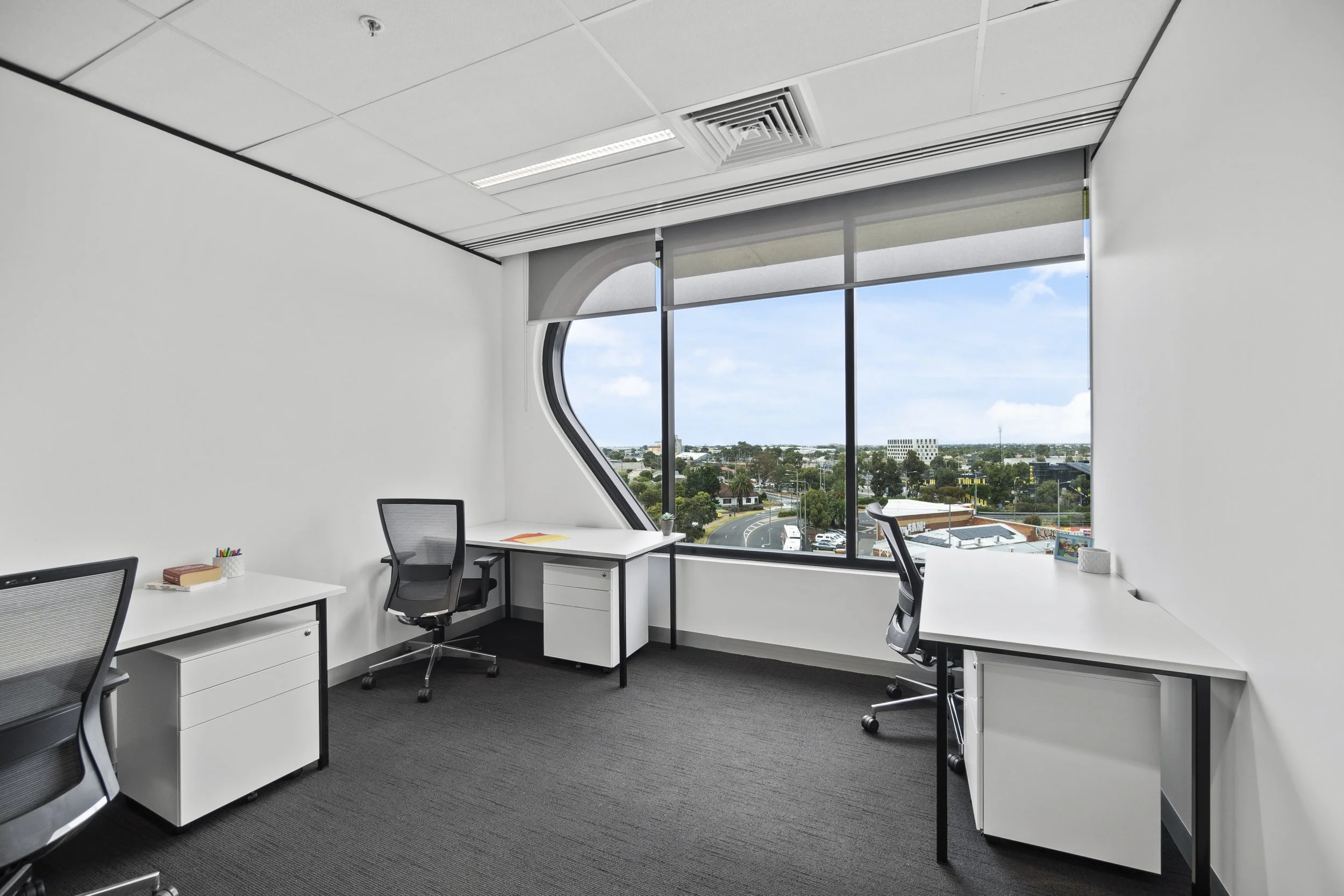
“The most successful CEOs start their day at 4am”. It’s a trope we’ve heard time and time again. It does little to increase output, all while adding a good helping of guilt to your 8am coffee. The truth is that increasing productivity more often comes down to implementing a series of simple - and much more reasonable - steps to the workday and the workspace. Research suggests that increasing productivity at work is less about working longer hours and more about protecting your focus. Regular breaks, fewer distractions, a workspace designed for concentration, simple task-management techniques and clear plans for getting started can all help you get more done.
Work in Focused Sprints, Not Marathons
Longer hours doesn’t mean greater output. In fact, one of the most well-tested time management tips for increasing productivity focuses on working in bursts.
In 2014, the Latvian software company Draugiem Group used its own time-tracking app, DeskTime, to study its most productive staff. The takeaway? The greatest productivity was observed from staff who kept their heads down for 52-minutes of focused work and then fully disengaged for 17 minutes, before repeating the cycle again.
If 52 minutes feels like a challenge to the modern attention span, the classic Pomodoro Technique, developed by Francesco Cirillo in the late 80s, might be a good place to start. This technique involves deciding on your task and setting the timer for 25 minutes. Once the timer goes off, it's breaktime for 5 minutes. Rinse and repeat four times before taking a more substantial break for 15 to 30 minutes.
Over the years, different analyses have suggested different work-to-break ratios. While the exact numbers vary, the broader principle remains useful: alternate periods of focused work with proper breaks rather than trying to maintain concentration indefinitely.
While productivity is the focus here, it’s important to treat breaks just as seriously. A proper break means getting up from your desk and going somewhere else – a coffee in the communal kitchen, a lap of the office, a chat at the front desk. True brain breaks can help maintain productivity throughout the day.
Reduce Distractions to Protect Your Focus
Sounds easy, right? We know it’s not: emails pop up while you’re still replying to the last one, a phone call drops in while you’re mid-thought, the doorbell rings with a parcel you’ve been waiting on. It’s actually not the 2-minute task slowing you down, it's the lost focus that follows. Research led by Gloria Mark at UC Irvine found distraction lingers beyond the original interruption itself. A study found workers took around 23–25 minutes on average to return to an interrupted task, often moving through more than two other activities before getting back to it. And the environment matters too. A 2020 study published in the Journal of Environmental Psychology found that performance on concentration-heavy tasks improved by 16.9% when workers moved from an active office area to a quiet zone, and by 21.9% when they moved into an individual room. The takeaway? Don’t rely on willpower alone - it’s not a fair fight. If you can, choose a private workspace that increases your focus, take calls in a phone booth and switch off non-essential notifications on your phone and email.
Choose a Workspace That Supports Productivity
A global Human Spaces study of 7,600 office workers across 16 countries found that people working in environments with natural elements such as greenery and sunlight reported 6% higher productivity and 15% higher creativity than those working in environments without these natural elements. Not everyone has control over their workspace, but if you can add a small pot plant to your desk or choose a coworking or private office space that features these productivity boosters, it could genuinely increase your productivity without you needing to change any of your own work habits.
Try the 2-Minute Rule
Ever heard of the two-minute rule? Productivity expert David Allen recommends a specific approach to tackling tasks: if it can be completed in around two minutes, do it now, rather than spending more time organising and revisiting it later. Apply the same principle to your inbox: deal with the quick replies, then move anything that needs proper attention onto your task list instead of letting your inbox become your to-do list.
Use If-Then Plans to Beat Procrastination
Get specific about your to-do list and go easy on yourself while you’re at it. Research suggests one way to tackle procrastination is to get into the nitty gritty about the process of getting started. In a 2026 randomised study, people who identified what was likely to get in their way and made themselves an “if-then” plan, were more willing to start tasks. So rather than telling yourself “I’ll work on that report today”, try something more specific like, “At 9am I’ll open the report and spend 30 minutes on the first section. If I get distracted, I’ll put my phone away and keep going.” Giving yourself a clear starting point removes some of the negotiation that makes putting a task off so easy.
Motivation Builds Motivation
Ever noticed how much easier it is to get stuck into work when everyone around you has their head down too? Psychologists have studied a phenomenon known as “goal contagion” – the idea that observing someone else pursuing a goal may influence your own motivation. While research into the effect is mixed, there’s something familiar about the experience. It can simply feel easier to get into work when everyone around you is getting things done too.
There’s a buzz in the air, a palpable energy in the room. You don’t necessarily need to be collaborating – simply being around people taking calls, building businesses, meeting deadlines and getting on with their day can create its own sense of momentum. It’s one of the underrated benefits of a coworking space.
Every Little Step Helps
None of this requires an overhaul. Whether you're working from a private office, a coworking desk, or still at the kitchen table, picking even a handful of these habits – proper breaks, protected focus time, natural light – will move the needle on how much you actually get done. And if the room you're working in is part of the problem, that's an easy fix too. At The Work Studio, different spaces are designed for different types of work. A shared coworking desk might suit general day-to-day work, while phone booths and private offices give provide a space to take a call or zone in for concentration-heavy tasks that need fewer distractions. Come see what a change of space can do – book a tour or a free trial day at The Work Studio in Sunshine, Victoria.